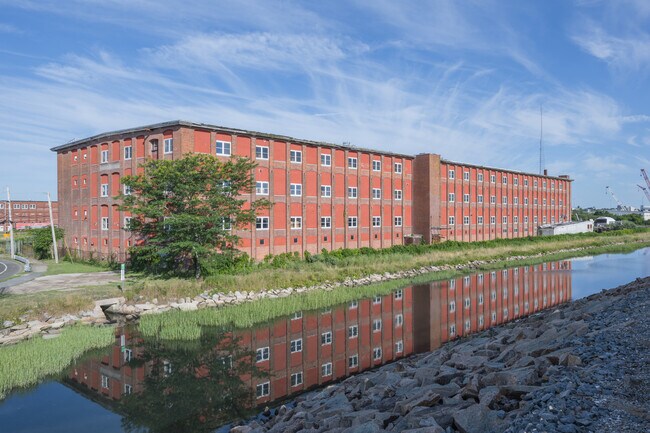
6-Acre Waterfront Development Opportunity - 11 Cove St
New Bedford, MA 02744
- Brewery
- Industrial for Sale
- $16,695,479 CAD
- 206,994 SF
See More

Breweries are businesses that manufacture beer and sell it to the public or other businesses. Breweries employ people whose jobs are involved in virtually every aspect of the business, including brewing beer and other beverages as well as selling products to distributors or directly to customers. A number of breweries also have tasting rooms where customers can try beers on tap that are available nowhere else.
A brewpub is a type of brewery that also serves food for on-site consumption, although many brewpubs now have off-premise licenses as well. A brewpub differs from a tavern in that all of its beer is brewed on the premises, instead of simply acquiring it from an off-site source.
A microbrewery or craft brewery is usually an independently owned and operated company that produces small batches of beer using traditional ingredients like malted barley; other breweries may use adjuncts such as corn or rice. The term "microbrewery" was coined by the New York Times in June 1985, in an article about Siebel Institute of Technology's graduate program in brewing technology.
The distinction between a brewery and a microbrewery is somewhat ambiguous, however, since there are no clear definitions for either. In addition, different classifications of microbreweries exist, depending on the national brewing standards that are used.
A tap room is an area that houses beer to be served on-premise at a brewery. At brewpubs the term may refer to a location where people gather to drink beer, eat meals and listen to music or watch sports events on television. Tap rooms are places where customers can taste various beers that the brewery makes to determine whether they want to buy a full glass of it. They may also be able to purchase additional bottles or growlers for consumption off-site, depending on the laws of their state.
Despite the fact that many breweries are small businesses with sales below $1 million, they have achieved amazing popularity as an investment opportunity. Many investors in breweries are avid beer enthusiasts, but others see the investment as a way to earn strong returns on their money in an era of low interest rates.
Breweries can require significant investments with many businesses spending a large sum per year in rent, equipment and other business-related expenses. Because most breweries are open only a limited number of hours each week or month, it can take a longer to recoup costs and earn a profit. Many breweries therefore require investment from investors who have little to no interest in the day-to-day operations, but simply want to invest money while having some of it managed by others with experience in the industry.
While the business of brewing beer may not be right for everyone, you'll learn to appreciate why brewers are passionate about making superior beers when you're involved in it as a business. You can take pride in knowing that you produced something that people enjoy and benefit from.
Because the industry is so competitive, you'll also need to have a true passion for beer if you want to succeed with your brewery. You need to consider carefully why you want to start a brewery, and whether or not that is the best decision for you. It takes dedication and hard work to launch a new business, especially one as complex as a brewery.
The first step in opening a brewery is finding a suitable location. The main factor in starting a brewery is location, and. It's more than just getting a "deal." Look for an old brewery - or some other established building in close proximity to your target market. You don't have to spend a large sum of money on renovations if you can find one that's been renovated already or has up to date infrastructure.
In summary, there are many steps involved in starting a brewery. They include:
Looking to lease a Brewery? View Breweries for lease