Commercial Real Estate in New York available for sale
New York Breweries For Sale

Breweries for Sale in New York, NY, USA

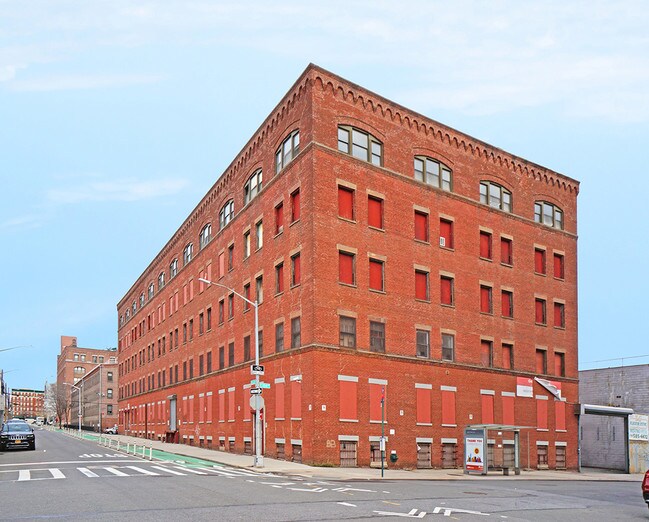
More details for 305 Douglass St, Brooklyn, NY - Industrial for Sale

305 Douglass St

Brooklyn, NY 11217

  • Brewery
  • Industrial for Sale
  • $26,281,963 CAD
  • 12,000 SF
  • 24 Hour Access

Brooklyn Industrial for Sale - North Brooklyn

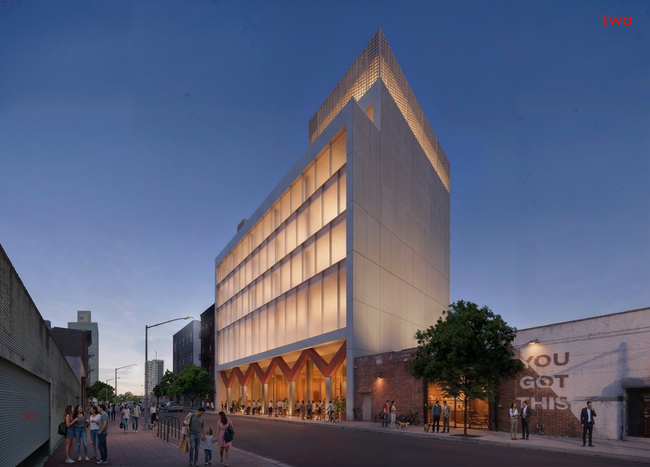
The 2021 Gowanus rezoning transformed this area. 305 Douglass Street, a 12,000-square-foot lot (120 ft x 100 ft), retained its core industrial zoning while benefiting from the district's new framework. The property occupies a highly strategic position at the intersection of two distinct urban conditions: the rapidly emerging high-density residential developments resulting from the recent Gowanus rezoning, and the established, amenity-rich fabric of Park Slope. This transitional location positions the site to serve as a key service, lifestyle, and entertainment destination for a growing residential population. The broader neighborhood is actively transforming into a vibrant mixed-use ecosystem, with increasing demand for recreation, hospitality, wellness, and community-oriented uses.  This block falls within a Qualified Opportunity Zone, potentially delivering powerful federal tax benefits: deferral of capital gains on investments held 5+ years, with full exclusion after 10 years. Ideal for long-term holds like institutional CF projects. Combine this with  potential grants from the NYC Industrial Development Agency (IDA) for manufacturing or CF builds. Positioned in the heart of Gowanus' renaissance, 305 Douglass Street enjoys proximity to the revitalized canal, with new waterfront esplanades boosting appeal for CF tenants like healthcare providers or educational institutions. Transit access is unmatched: steps from the R train at Union Street, buses, and a quick stroll to Barclays Center, Atlantic Terminal (LIRR/subway), and neighborhoods like Boerum Hill, Park Slope, and Carroll Gardens. Surrounding developments are delivering over 8,000 new units and 650,000+ square feet of commercial space, creating demand for supportive CF spaces, while nearby anchors like Whole Foods, Brooklyn Boulders, and other cultural venues ensure steady foot traffic. Credit to Tom Winter at TWA Architects for the supplement information above and the zoning analysis below. Permitted Uses The M1-4 district, in combination with the Special Gowanus Mixed Use regulations, allows for a broad and flexible range of uses, including: Hospitality and entertainment venues Restaurants, bars, and event spaces Wellness and medical facilities Retail and showroom uses Office and creative workspace Indoor sports and recreation Light manufacturing and maker spaces A defining feature of the Special District is that permitted floor area varies by use category. By strategically combining uses that qualify for higher floor area ratios, the development can maximize zoning potential. “Gowanus Mix Uses” - which include commercial, manufacturing, and select community facility uses such as libraries, cultural institutions, and community centers - allow for increased FAR. The highest FAR tier is achieved through select Community Facility Uses, including health-related facilities requiring approval under Article 28 of the New York State Public Health Law. These uses are particularly valuable from a development standpoint, as they unlock the maximum allowable density on the site. Maximum Zoning Floor Area The maximum permitted zoning floor area (ZFA) varies depending on use: Commercial / Manufacturing Uses: FAR 3.6 - 43,200 SF • Gowanus Mix Uses: FAR 4.0 - 48,000 SF • Select Community Facility Uses (e.g., Article 28): FAR 4.8 - 57,600 SF Additional zoning incentives further enhance the development potential: Arcade Bonus - An arcade along Douglass Street can generate a significant floor area bonus: • 3 SF of additional ZFA per 1 SF of arcade • A 15-foot-deep arcade yields approximately 5,400 SF of additional ZFA Beyond the numerical benefit, the arcade can function as a covered public realm extension, ideal for outdoor dining, retail spillover, and activation of the streetscape. Energy Efficiency Bonus A 5% ZFA bonus is available for buildings exceeding energy code requirements by 15%, aligning with sustainability goals and long-term operational efficiency. Total Development Potential By combining: • Select Community Facility Uses • Arcade bonus • Energy bonus the site can achieve a maximum ZFA of approximately 66,150 SF. With a cellar level exempt from zoning floor area, the total constructible floor area can reach approximately 78,150 SF Maximum Building Envelope • Base Height: 95 FT • Setback: 15 FT required above base • Maximum Building Height: 115 FT Mechanical equipment, stair bulkheads, and elevator overruns are permitted above the height limit. At this elevation, a roof terrace or rooftop venue can capture expansive views toward Downtown Brooklyn and the Manhattan skyline, creating a strong opportunity for a signature upper-level destination. Potential Use Mix - Best & Highest Use Scenario Given the zoning framework, neighborhood trajectory, and market demand, the site is ideally suited for a vertically integrated, experience-driven mixed-use building. The most compelling strategy is to create a stacked program of complementary uses that activate the building throughout the day and evening while maximizing zoning incentives. Recommended Program (Bottom to Top) Cellar Bowling / social gaming / immersive recreation. A destination-oriented use that benefits from acoustic separation and large floorplates. Ground Floor Restaurant / brewery / food hall A highly visible, street-activating use that anchors the building and engages pedestrian traffic. Second Floor Pickleball club or indoor sports facility. Capitalizes on strong demand for recreational uses in dense residential neighborhoods. Third Floor Fitness / wellness / boutique recreation. Expands the building’s health and lifestyle programming. Fourth Floor Medical office / wellness tenants. Transitional layer between recreation and clinical use. Fifth Floor Article 28 healthcare facility (approx. 10,000 SF). Unlocks maximum FAR while introducing a stable, institutional-grade tenant. Sixth Floor + Roof Restaurant / event venue with roof terrace. A signature destination space with skyline views, suitable for dining, private events, and weddings. Conceptual Positioning This program creates a “vertical social infrastructure” - a building that operates as a neighborhood hub, combining: • recreation • wellness • food and beverage • healthcare • event programming Such a mix is particularly well aligned with Gowanus, where a rapidly growing residential population is driving demand for experiential, community-oriented destinations. Conclusion 305 Douglass Street presents a rare opportunity to develop a high-density, mixed-use building in one of Brooklyn’s fastest-evolving neighborhoods. Through a strategic combination of: • Special District zoning incentives • Community facility integration • Experience-driven programming the site can support a dynamic and highly differentiated project that responds directly to the needs of the surrounding residential growth. The result is not just a building, but a destination.

Contact:

Keller Williams Realty Spectrum REC Team

Property Subtype:

Warehouse

Date on Market:

2026-03-13

Hide
See More
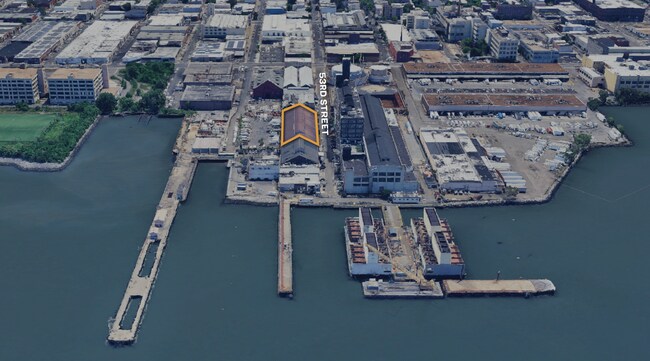
More details for 29 53rd St, Brooklyn, NY - Industrial for Sale

29 53rd St

Brooklyn, NY 11232

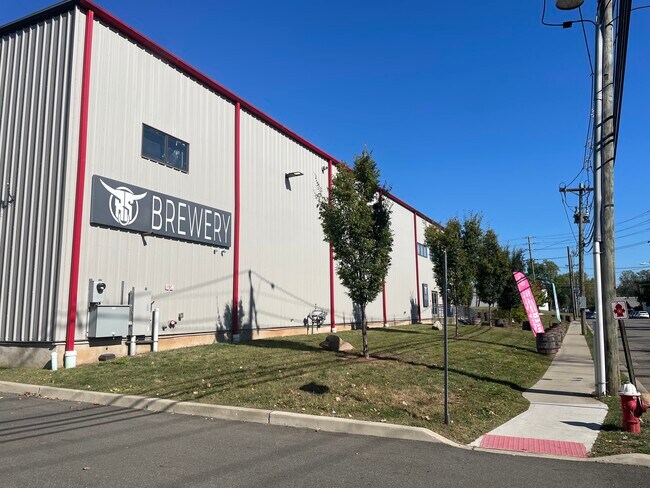
  • Brewery
  • Industrial for Sale
  • Price Upon Request
  • 35,000 SF
See More
More details for 181 Bay St, Staten Island, NY - Office for Sale

Redevelopment Site For Sale - 181 Bay St

Staten Island, NY 10301

  • Brewery
  • Office for Sale
  • Price Upon Request
  • 83,630 SF
See More

Breweries for Sale within 50 kilometers of New York, NY, USA

Breweries For Sale

Breweries

What is a brewery?

Breweries are businesses that manufacture beer and sell it to the public or other businesses. Breweries employ people whose jobs are involved in virtually every aspect of the business, including brewing beer and other beverages as well as selling products to distributors or directly to customers. A number of breweries also have tasting rooms where customers can try beers on tap that are available nowhere else.

What is a brewpub?

A brewpub is a type of brewery that also serves food for on-site consumption, although many brewpubs now have off-premise licenses as well. A brewpub differs from a tavern in that all of its beer is brewed on the premises, instead of simply acquiring it from an off-site source.

What is a microbrewery?

A microbrewery or craft brewery is usually an independently owned and operated company that produces small batches of beer using traditional ingredients like malted barley; other breweries may use adjuncts such as corn or rice. The term "microbrewery" was coined by the New York Times in June 1985, in an article about Siebel Institute of Technology's graduate program in brewing technology.

The distinction between a brewery and a microbrewery is somewhat ambiguous, however, since there are no clear definitions for either. In addition, different classifications of microbreweries exist, depending on the national brewing standards that are used.

What is a tap room in a microbrewery?

A tap room is an area that houses beer to be served on-premise at a brewery. At brewpubs the term may refer to a location where people gather to drink beer, eat meals and listen to music or watch sports events on television. Tap rooms are places where customers can taste various beers that the brewery makes to determine whether they want to buy a full glass of it. They may also be able to purchase additional bottles or growlers for consumption off-site, depending on the laws of their state.

Are breweries popular for investors, should I buy a brewery?

Despite the fact that many breweries are small businesses with sales below $1 million, they have achieved amazing popularity as an investment opportunity. Many investors in breweries are avid beer enthusiasts, but others see the investment as a way to earn strong returns on their money in an era of low interest rates.

Breweries can require significant investments with many businesses spending a large sum per year in rent, equipment and other business-related expenses. Because most breweries are open only a limited number of hours each week or month, it can take a longer to recoup costs and earn a profit. Many breweries therefore require investment from investors who have little to no interest in the day-to-day operations, but simply want to invest money while having some of it managed by others with experience in the industry.

Why should I start a brewery?

While the business of brewing beer may not be right for everyone, you'll learn to appreciate why brewers are passionate about making superior beers when you're involved in it as a business. You can take pride in knowing that you produced something that people enjoy and benefit from.

Because the industry is so competitive, you'll also need to have a true passion for beer if you want to succeed with your brewery. You need to consider carefully why you want to start a brewery, and whether or not that is the best decision for you. It takes dedication and hard work to launch a new business, especially one as complex as a brewery.

How do I get started?

The first step in opening a brewery is finding a suitable location. The main factor in starting a brewery is location, and. It's more than just getting a "deal." Look for an old brewery - or some other established building in close proximity to your target market. You don't have to spend a large sum of money on renovations if you can find one that's been renovated already or has up to date infrastructure.

In summary, there are many steps involved in starting a brewery. They include:

  1. Find the right location and secure funding for your business.
  2. Get the business plan ready and start negotiating with suppliers or distributors of brewing materials.
  3. Get the required licenses and permits in order.
  4. Build or renovate your brewery.
  5. Train staff for the brewery and purchase inventory and equipment.
  6. Test market your brand to consumers.
  7. Start selling beer!

Looking to lease a Brewery? View Breweries for lease