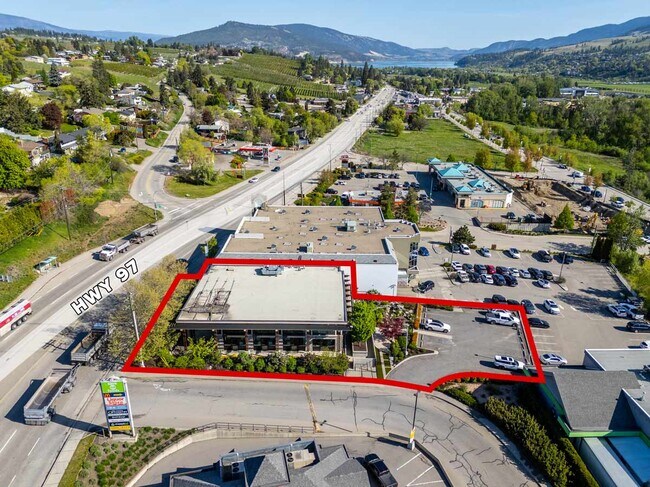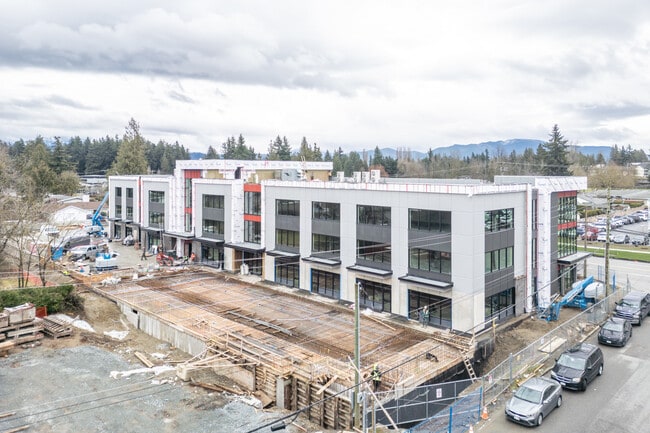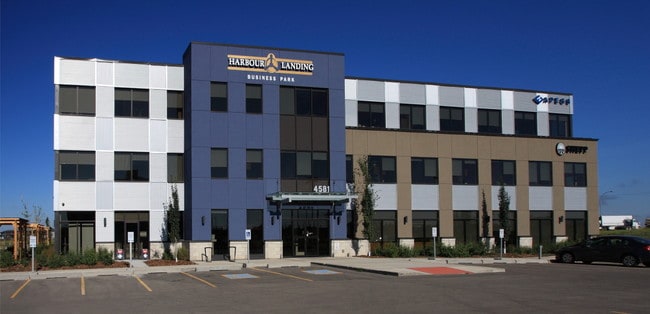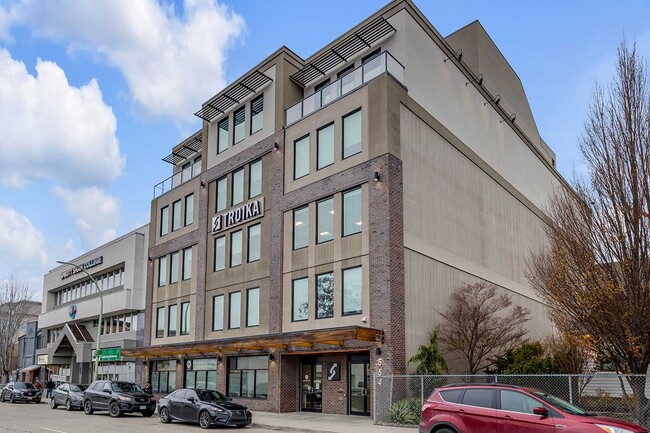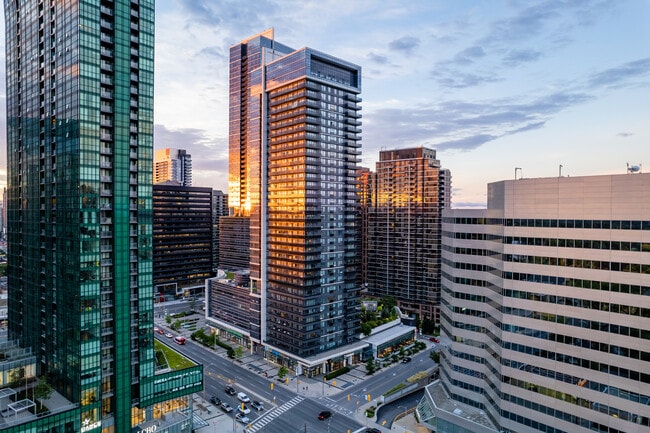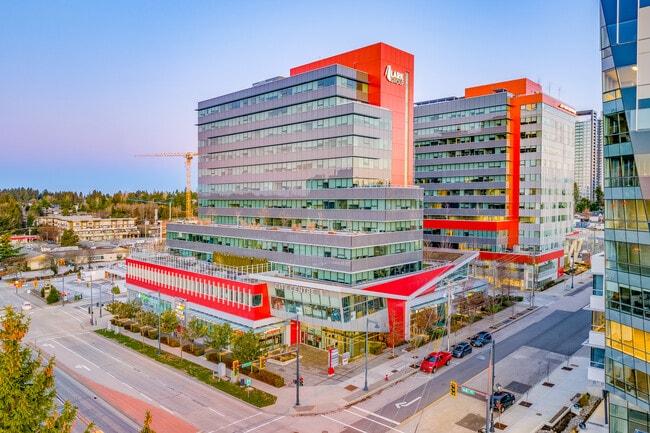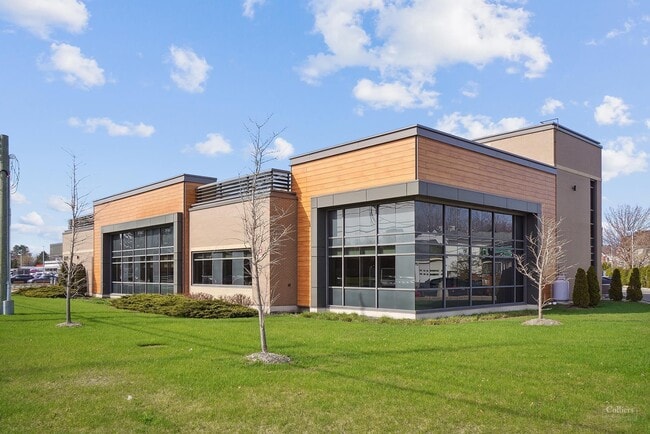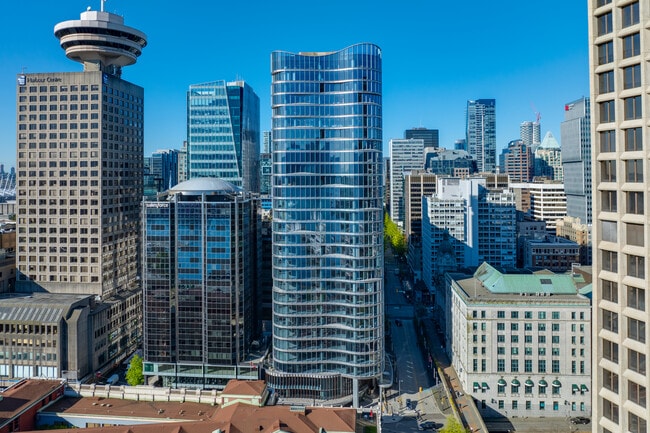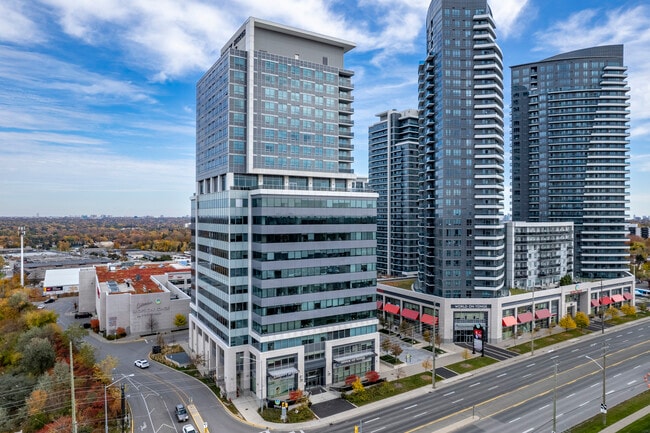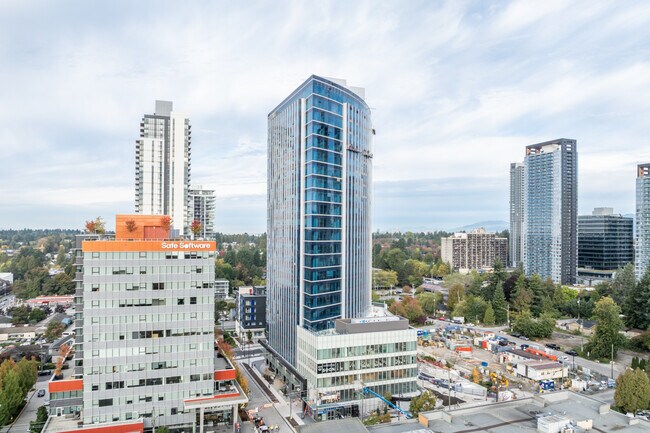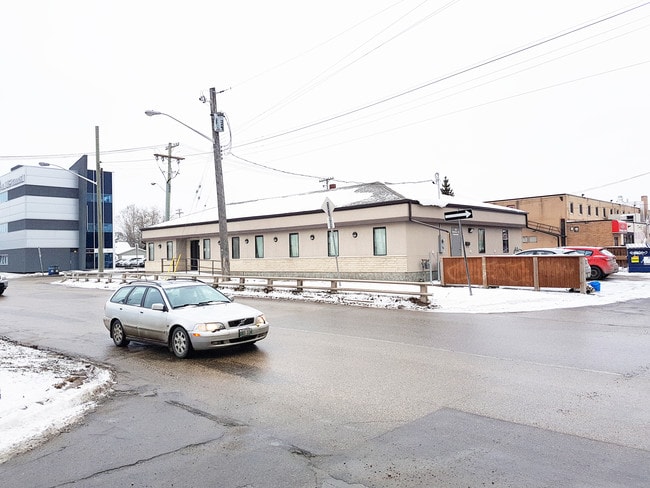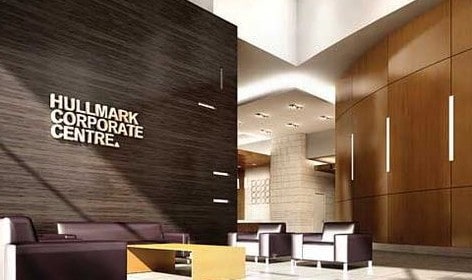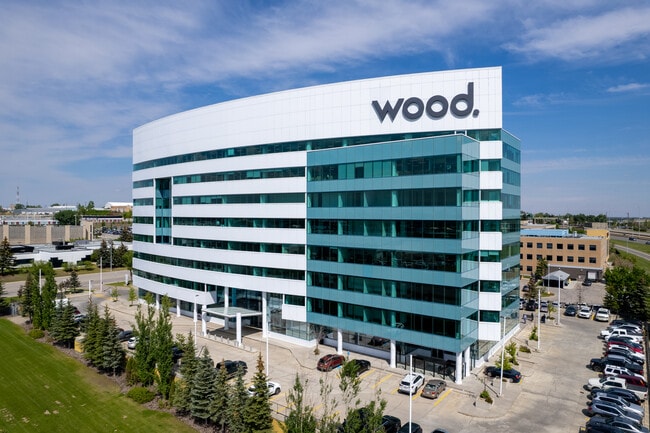
Wood Centre - 2535 3rd Ave SE
Calgary, AB T2A 7W5
- LEED Certified Building
- Office for Sale
- 221,228 SF
See More


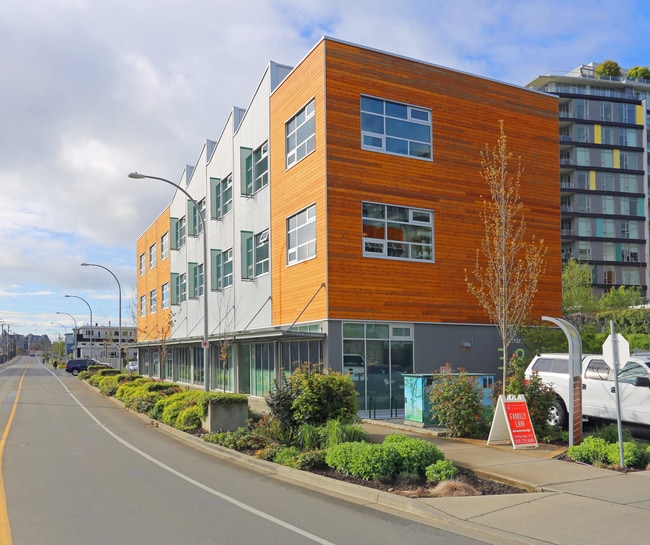
A LEED certified building is one that has been built to meet certain environmental standards, with special attention given to energy conservation and indoor air quality. The goal of a LEED Certified Building is to use less energy than traditional buildings. They can be green in other ways as well: implementing sustainable materials, reducing water consumption or limiting its impact.
LEED stands for Leadership in Energy and Environmental Design. This rating system has been developed by the US Green Building Council (USGBC) to promote buildings that are environmentally responsible, profitable and healthy places to live and work.
An investment in a LEED certified building can reduce the carbon footprint that results from your business's annual energy consumption by up to 30%. A LEED certified building also has an advantage over other buildings during the sale process because potential buyers are increasingly trying to reduce their own carbon footprint and energy costs and will pay more for a building that has done so.
Some areas also provide tax credits, zoning allowances, reduced fees, and expedited permitting for building owners who choose to implement green measures in their buildings. Studies have found that for-rent LEED office spaces generally have higher rents and occupancy rates and lower capitalization rates.
A LEED certified building has extra up front costs may take years to recoup through energy savings, so careful planning must be made before investing in this type of design. Carefully weigh these up front costs against the long term benefits that a LEED certified building can provide your business.
Green tags are an optional third party verification system that can be added to your LEED certified building. The green tags show the public at large the commitment you have made to sustainability. They also allow potential clients, buyers and tenants to know exactly what they are getting when they sign with you.
Any building that has been constructed after the release of the LEED rating system in 2000 is eligible to become a LEED certified building.
New construction, renovation and existing buildings are all good candidates for this certification as long as they meet certain requirements. For example, an old building may not have the right kind of insulation, so it will need to be retrofitted before being able to achieve LEED certification.
A building can also be awarded different levels of certification depending on how green it is.
- The construction of a new building that is seeking LEED certification must follow strict guidelines for energy conservation and environmental impact.
A LEED certified building will have a smaller carbon footprint than a traditional building because it is designed to minimize the consumption of fossil fuels.
The renovation of an existing building can also use LEED certification as long as it follows specific guidelines. These ratings are given on two scales:
- The first rating system, based on points, is for buildings that undertake a major renovation project. This rating system requires the renovation to be done in such a way as to reduce consumption and provide environmental benefits. For example, if an older building is being renovated then it will be required to have more insulation than usual, which helps cut down on energy use.
- The second rating system is based on a checklist that has been designed for smaller renovation projects such as room additions or new HVAC equipment. The points from this checklist are added up and if the total equals sixty then the building can become LEED certified.
- A project that is attempting to obtain LEED certification for an existing building must follow guidelines in six different categories in order to be eligible for this rating. These categories are sustainable sites, water efficiency, energy and atmosphere, materials and resources, indoor environmental quality and innovation in design.
The benefits of LEED certification are numerous. A building that has achieved this status is committed to reducing its carbon footprint and therefore offers great rewards for the environment at large.
- A decrease in energy consumption and therefore energy costs. Since a LEED building uses less fossil fuels, by design, it will have lower utility bills than traditional buildings
- A healthier building. LEED buildings are better ventilated and have less volatile organic compounds, or VOCs, than traditional buildings.
- A building that may be more profitable because it uses alternative energy sources and therefore has lower operating costs than a non-LEED certified building.
- Other benefits may include increased worker productivity, healthier indoor spaces and credit worthiness with lenders and investors.
Looking to lease a LEED Certified Building? View LEED Certified Buildings for lease