New York Retail for Lease - Upper East Side
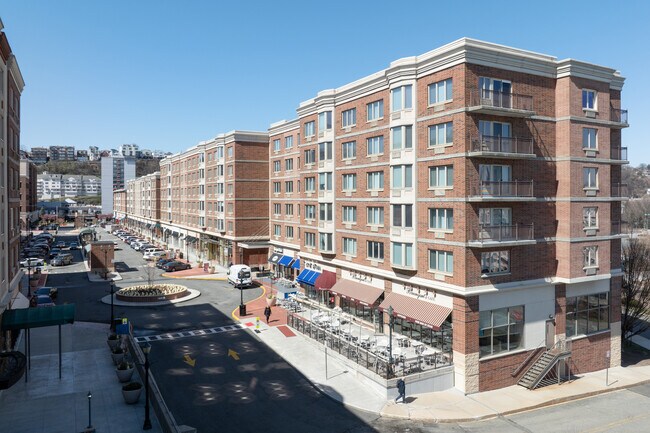
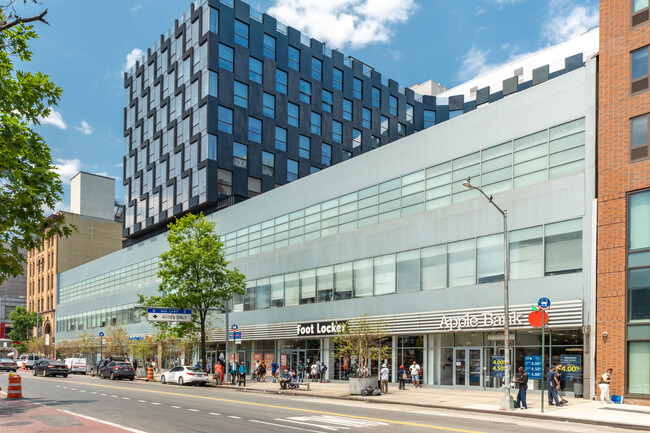
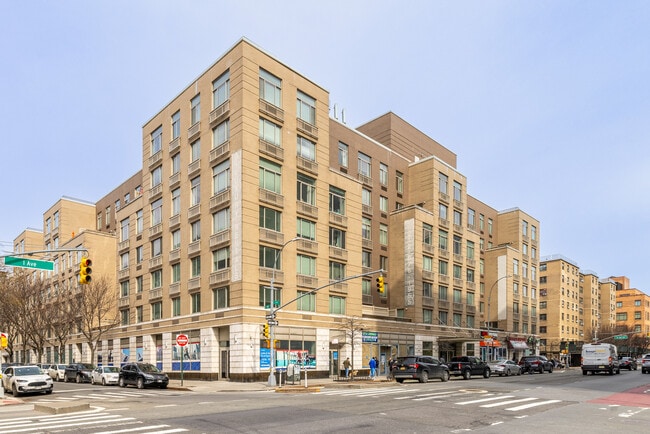
1955 First Avenue presents multiple retail, medical, office, food-and-beverage, and fitness opportunities at the base of The Aspen Apartments, an eight-story, 232-unit luxury rental building in East Harlem.
Two prime corner spaces anchor the signalized intersection of First Avenue and East 100th Street, including a former Rite Aid comprising 4,630 square feet on the ground floor, with logical divisions considered. Prominent frontage on both 100th Street and First Avenue, building signage, and unrivaled exposure to over 30,000 daily vehicles create a high-impact branding opportunity. With all uses considered and flexible configurations available, the opportunity delivers built-in residential density and the scale to accommodate both destination and service-oriented operators.
Positioned along the west block between East 100th and 101st Streets in East Harlem, the property benefits from exceptional infrastructure and transit connectivity. The nearby 4 and 6 subway lines at the 103rd Street Station generate more than 4 million annual riders, complemented by the 96th Street N and Q station, providing seamless access throughout Manhattan. A Walk Score of 94 and Transit Score of 100 underscore the corridor’s pedestrian strength and multimodal accessibility. Immediate neighbors include NYC Health + Hospitals/Metropolitan, Icahn School of Medicine at Mount Sinai, The Mount Sinai Hospital, New York Academy of Medicine, DREAM Charter School, New York Center for Autism Charter School, and Costco, creating sustained daily foot traffic from healthcare professionals, students, families, and institutional employees.
East Harlem continues to evolve as a high-density residential market with more than 650,000 residents within a 2-mile radius and approximately $9.2 billion in annual consumer spending. The intersection’s strong vehicular counts, concentrated institutional presence, and limited corner availability position 1955 First Avenue as a rare platform for operators seeking scale, visibility, and long-term growth. Retailers can capitalize on neighborhood demand, medical and wellness users can integrate within a healthcare-centric ecosystem, and food and fitness concepts can anchor a dynamic mixed-use environment.