Industrial in New York available for sale
Cannabis Warehouses For Sale

Cannabis Warehouses for Sale in New York, USA

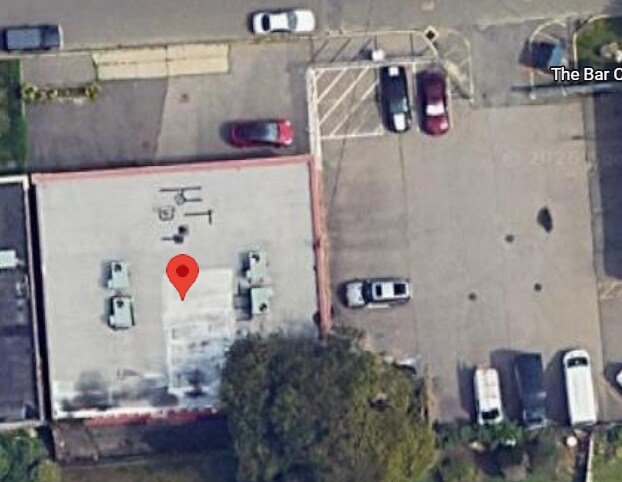
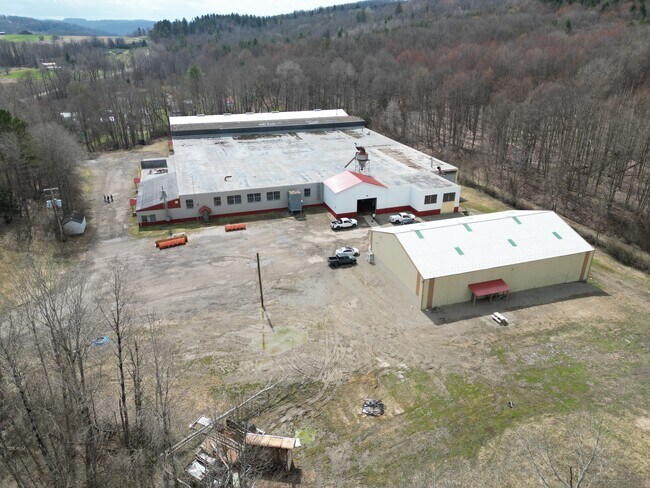
More details for 7167 Route 353, Cattaraugus, NY - Industrial for Sale

7167 Route 353

Cattaraugus, NY 14719

  • cannabis warehouse
  • Industrial for Sale
  • $2,762,194 CAD
  • 91,500 SF
See More
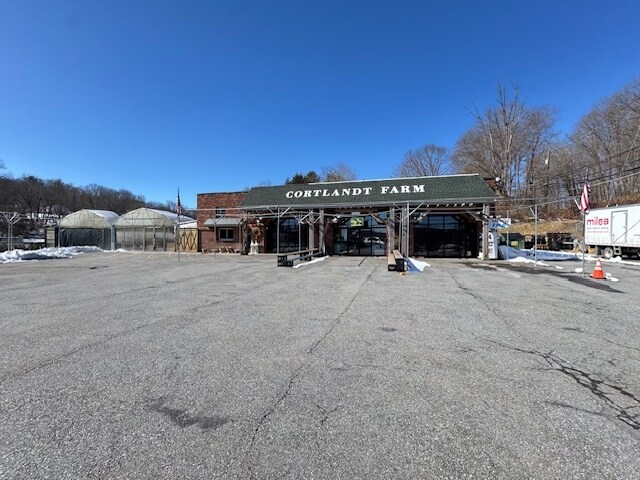
More details for 2267 Crompond Rd, Cortlandt Manor, NY - Retail for Sale

2267 Crompond Rd

Cortlandt Manor, NY 10567

  • cannabis warehouse
  • Retail for Sale
  • $3,930,815 CAD
  • 3,000 SF
See More
More details for 42 River St, Sleepy Hollow Village, NY - Industrial for Sale

Riverfront Mixed-Use Site,Amazing Bridge View - 42 River St

Sleepy Hollow Village, NY 10591

  • cannabis warehouse
  • Industrial for Sale
  • $3,541,275 CAD
  • 6,670 SF
  • Commuter Rail
  • Restaurant
  • Waterfront

Sleepy Hollow Village Industrial for Sale - West I-287 Corridor

A Once-in-a-Generation Hudson River Waterfront Opportunity Positioned directly on the Hudson River within Sleepy Hollow's coveted Riverfront Development District (RDD), 42 River Street represents one of the rarest commercial real estate opportunities currently available in Westchester County. Offering approximately 6,670 square feet across two levels on a 0.28-acre waterfront parcel, the property combines immediate usability with extraordinary long-term upside in a location experiencing one of the most significant redevelopment cycles in the New York metropolitan area. Unlike most commercial properties, 42 River Street benefits from something that cannot be replicated: permanent, unobstructed Hudson River and Mario M. Cuomo Bridge views, immediate adjacency to the transformative Edge-on-Hudson master-planned community, and direct exposure to a rapidly expanding population of affluent residents seeking dining, entertainment, wellness, retail, and lifestyle amenities. As the surrounding neighborhood continues its evolution into one of Westchester's premier waterfront destinations, the value proposition of this asset becomes increasingly compelling. The property sits at the doorstep of Edge-on-Hudson, the former General Motors campus redevelopment that has already transformed nearly 70 acres of industrial land into a vibrant mixed-use waterfront community. More than 1,100 residential units have already been delivered or sold, including luxury condominiums, townhomes, and apartments that command some of the highest residential pricing in the region. The recent opening of the 50,000-square-foot DeCicco & Sons flagship market, complete with rooftop dining and entertainment offerings, has further cemented the area as a destination rather than simply a residential neighborhood. What makes this opportunity particularly attractive is that the growth story is still unfolding. Additional residential phases, retail components, medical office development, hospitality projects, public parks, and RiverWalk expansions remain in the pipeline through 2026 and beyond. Every new residential unit, every new amenity, and every public improvement expands the property's customer base and strengthens its strategic position within the waterfront corridor. From an operational perspective, the building offers exceptional flexibility. The ground floor consists of approximately 3,700 square feet of warehouse and flex space with a 10-foot by 13-foot drive-in door, making it ideal for owner-users, contractors, specialty trades, artisans, distribution operations, showrooms, experiential retail concepts, breweries, fitness operators, or creative production uses. The second-floor loft space, comprising approximately 3,000 square feet, enjoys panoramic river views rarely found in commercial assets at this price point and could support office, hospitality, gallery, studio, wellness, restaurant, event, or creative workspace uses. The true value driver, however, is the Riverfront Development District zoning. The RDD designation provides a broad framework for mixed-use and waterfront-oriented development, allowing a future owner to capitalize on changing market conditions over time. Potential uses include restaurants, breweries, wine bars, galleries, health clubs, studios, boutique hospitality concepts, showroom space, mixed-use redevelopment, loft residential conversion opportunities, and a wide range of commercial applications. Few properties in Westchester offer this combination of zoning flexibility, waterfront location, and immediate access to an affluent customer base. For investors, the property presents an opportunity to acquire a scarce waterfront asset in the early stages of a long-term neighborhood appreciation cycle. For developers, it offers a strategic foothold adjacent to one of the most successful redevelopment projects in the Hudson Valley. For hospitality operators, restaurateurs, brewers, and experiential retailers, it delivers an irreplaceable waterfront setting with built-in demographics and virtually no direct waterfront competition. For owner-users, it provides functional space today while preserving substantial future redevelopment optionality. Perhaps most importantly, supply remains extremely limited. Commercial waterfront properties with direct river frontage, flexible zoning, and proximity to commuter rail are nearly impossible to replicate. With Tarrytown Metro-North Station only an eight-minute walk away and immediate access to Route 9, I-87, and the broader New York metropolitan region, the property combines destination appeal with practical accessibility. As Edge-on-Hudson continues to mature, the surrounding district is expected to transition from a redevelopment story into an established waterfront downtown environment. Buyers who recognize this trajectory today have the opportunity to secure a unique position before the area's next phase of appreciation is fully reflected in pricing. 42 River Street is more than a building. It is a strategic waterfront asset positioned at the intersection of location, scarcity, flexibility, and growth—qualities that increasingly define the most successful real estate investments throughout the New York region. In a market where comparable waterfront opportunities are virtually nonexistent, ownership of 42 River Street offers both immediate utility and long-term upside that few assets can match. The zoning allows for an array of uses including industrial and mixed use with retail and residential. This property is in the Riverfront Development District. Link to zoning information: https://ecode360.com/15974362. Adjacent properties to be developed over next 3-5 years adding further value to investors in 42 River Street. For more information contact:

Contact:

The Agency | Commercial Division

Property Subtype:

Manufacturing

Date on Market:

2022-01-19

Hide
See More
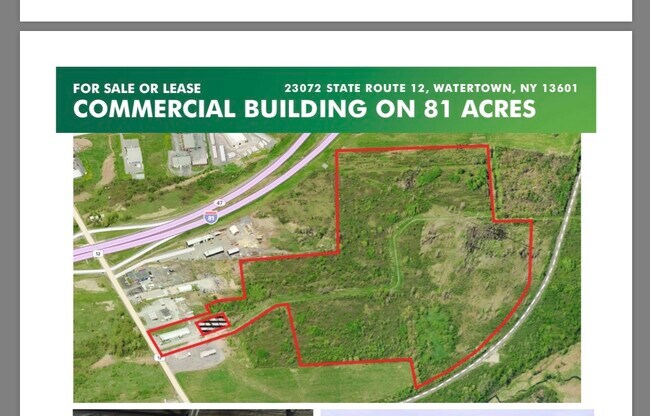
More details for 23076 State Route 12, Watertown, NY - Industrial for Sale

A-Z AUTOMOTIVE REPAIR AMAZON GOING ACROSS ST - 23076 State Route 12

Watertown, NY 13601

  • cannabis warehouse
  • Industrial for Sale
  • Price Upon Request
  • 20,000 SF
See More
1-4 of 4

Cannabis Warehouses For Sale

Cannabis Warehouses

What is a cannabis warehouse?

Cannabis Warehouses are large-scale, secure buildings where cannabis producers can store and process their product. They take a number of forms including converting industrial warehouses, but they all have the same goal in mind – providing a safe space for companies to develop and produce high quality products while complying with local code.

What's the difference between a cannabis warehouse and a cannabis greenhouse?

Greenhouses tend to be smaller and are often located on-site with the production facility. They offer less facility, security, personnel and overall cost than a cannabis warehouse.

Cannabis warehouses are typically larger than greenhouses and offer more room for expansion as demand grows. Warehouses allow companies to grow cannabis in an environment that provides greater controls and security for both product and personnel.

Some cannabis warehouses are retrofitted industrial buildings, while others were built from the ground up to house cannabis businesses.

In many ways, a warehouse is more secure than a greenhouse because it provides companies with better security around their perimeter. Warehouses have walls that can keep people out as well as physical infrastructure like doors and door locks that can keep people in.

Greenhouses are also more susceptible to weather changes and may not provide as consistent environment for cannabis growth. Warehouses can be built with climate control in mind and have the infrastructure to maintain a consistent temperature, humidity and light cycle.

How to buy a cannabis warehouse?

In cities that have enacted cannabis regulations, zoning laws and permitting for warehouses will be in place. Typically, a city's zoning authority responsible for issuing commercial building permits must confirm the absolute eligibility of a proposed warehouse location prior to receiving new construction or renovation permit(s). Speak to a local broker to learn more about what buildings may be zoned properly for the type of business you are looking to start.

Should I retrofit, or buy a new building for my cannabis business?

There are many advantages to choosing an existing retrofitted facility over constructing a new building.

Retrofitting an existing building allows for many cost saving opportunities that may otherwise be difficult or impossible when constructing a new warehouse from the ground up. For example, companies can negotiate to purchase the property outright, rather than paying rent on a monthly basis. Additionally, retrofitted facilities already have the foundation and structural elements in place, which assists with the overall cost of the facility.

Warehouses that were already constructed as a cannabis warehouses often have a long-standing record of growing product, which can be appealing to cannabis companies looking for consistency in their production environment.

What's the difference between cannabis warehouses and a marijuana grow houses?

Marijuana grow houses are typically smaller than greenhouses and warehouse facilities, so they only hold a finite amount of product. As demand expands or contracts, marijuana growers must purchase additional space to house their expansion or begin selling product from their existing inventory.

What's the difference between a cannabis warehouse and a cultivation room?

Warehouses are synonymous with indoor cannabis growth, while grow rooms are specific to cultivating the plant. A warehouse allows companies to develop their own production system based on what works best for them. A cultivation room is a mandatory room set-up for growing cannabis.

In a warehouse, what restrictions are there on the company's cultivation system?

There are no hard and fast rules as to what a cannabis producer can use in their warehouse – it is up to the companies themselves to determine the best way for them to cultivate the product. There is also very little legislation on security systems, so it is best for companies to be as proactive as possible in this regard.

Why are grow warehouses important?

Marijuana warehouses are essential for any company looking to operate in the indoor cannabis production known as indoor cultivation (as opposed to open-air or greenhouse growing). They provide crucial infrastructure for companies to safely store and process their cannabis crop.

Additionally, they allow:

-A controlled, indoor environment free from the risk of mold or pests.

-To take advantage of technology such as climate control, automation and irrigation systems.

-A safe place to experiment with different growth cycles and systems in order to find the most efficient way of growing marijuana.

-And a place for companies to grow their crop with less worry about theft or environmental factors.

What is a 420 Property?

420 Properties are real estate that a company can purchase or lease, and then grow cannabis on it. Other names for this type of property include: cannabis warehouse, cultivation facility and "marijuana grow house." 420 Properties, or weed properties, are warehouses, cultivation facilities, or marijuana grow houses that may serve many different purposes, depending on the company that ends up occupying them. Some companies will use their buildings to cultivate and process cannabis crops, while others may manufacture cannabis-related products.


Warehouse for weed

Weed Warehouses are large-scale, secure buildings where weed producers can store and process their product. They take a number of forms including converting industrial warehouses, but they all have the same goal in mind – providing a safe space for companies to develop and produce high quality weed and marijuana roducts while complying with local code.

Looking to lease a cannabis warehouse? View Cannabis Warehouses for lease