Chicago Office for Lease - Northwest City
Office Space Positioned at the Intersection of Labor, Transportation, and Opportunity
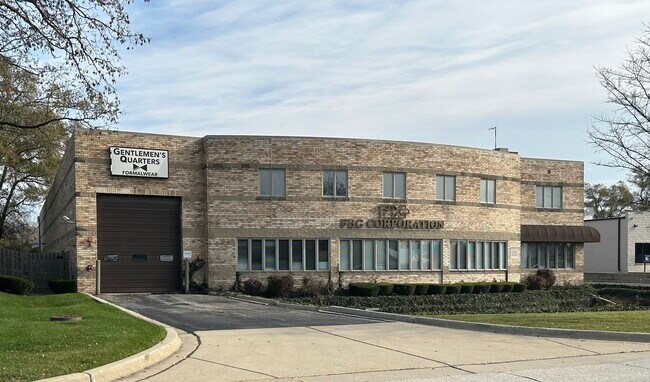
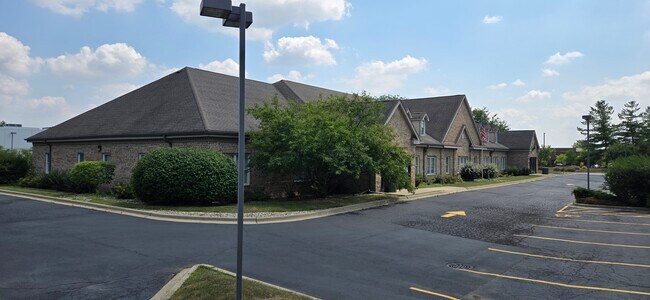
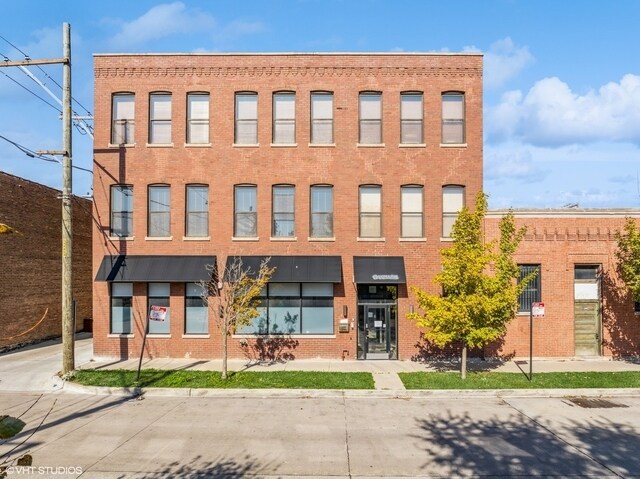
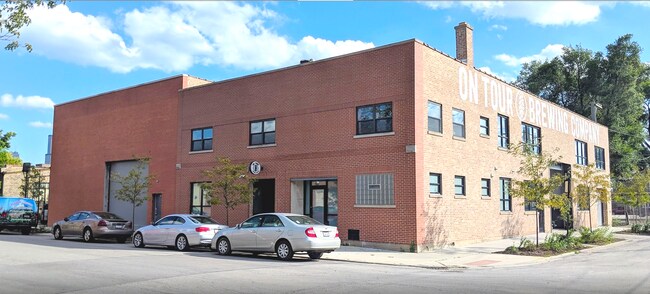
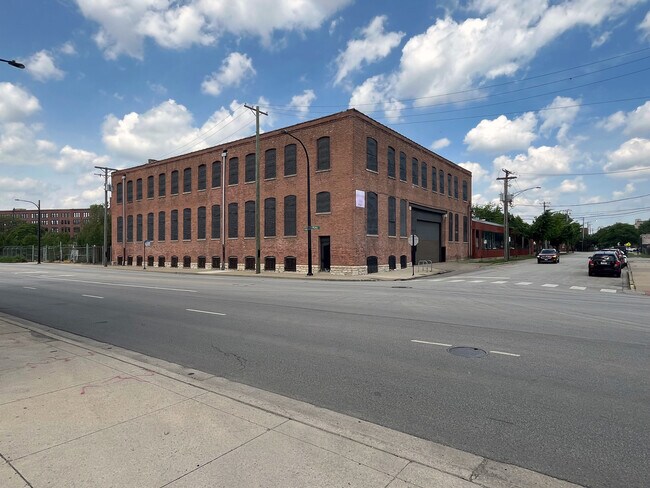
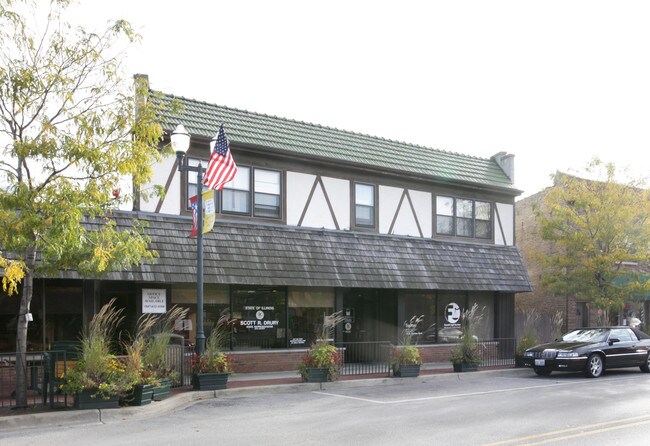
5921 W. Dickens Avenue offers companies an opportunity to establish operations within one of Chicago's most accessible workforce corridors. Located on Chicago's Northwest Side, the property combines affordable occupancy costs, multiple transportation options, and access to one of the deepest labor pools in North America. The nearby Galewood Metra Station is approximately 0.7 miles from the property, providing access to both city and suburban labor markets. The location is particularly well suited for transportation companies, logistics providers, contractors, engineering firms, staffing organizations, nonprofits, field service operators, sales organizations, and distribution support teams seeking practical, efficient office space rather than a high-cost downtown address.
Why Employers Choose This Location
Most companies begin their office search by evaluating rent, parking, or square footage. The more important question is often whether a location will help attract and retain employees.
Labor availability has become one of the most important factors affecting business performance. Recruiting challenges, employee turnover, commute times, absenteeism, and workforce accessibility can have a greater impact on profitability than modest differences in rental rates.
5921 W. Dickens is positioned within an established employment corridor serving Chicago's Northwest Side and neighboring communities including Galewood, Belmont Cragin, Hermosa, Austin, Oak Park, Elmwood Park, River Grove, and Melrose Park. These neighborhoods have historically supplied workers to manufacturing, transportation, logistics, construction, service, administrative, and technical employers throughout the region.
The nearby Galewood neighborhood contains approximately 18,000 residents, with employment participation among residents ages 25-64 of approximately 61%. Average commute times are approximately 35 minutes, reflecting the area's established transportation infrastructure and workforce mobility.
For employers seeking office administrators, dispatch personnel, project managers, logistics coordinators, customer service representatives, sales professionals, estimators, technicians, support staff, and operational employees, access to multiple workforce sources creates a meaningful competitive advantage.
Simply put, when employees can get to work easily, recruiting becomes easier.
Transportation and Accessibility
One of the property's greatest strengths is transportation diversity. Few office locations offer convenient access to commuter rail, bus service, rapid transit, multiple interstate highways, and both of Chicago's airports.
Nearby transportation assets include:
Galewood Metra Station
Oak Park Metra Station
CTA Bus Routes along Austin Avenue, North Avenue, Central Avenue, and Chicago Avenue
CTA Blue Line
CTA Green Line
I-290 (Eisenhower Expressway)
I-90/94 (Kennedy Expressway)
I-294 (Tri-State Tollway)
O'Hare International Airport
Midway International Airport
These transportation connections support employee commuting, customer visits, vendor access, business travel, field operations, and regional service coverage throughout Chicagoland.
Why Chicago's Northwest Side Works
For generations, companies have selected Chicago's Northwest Side because it combines workforce access, transportation connectivity, and operating efficiency. Long before terms such as "last-mile logistics" became popular, this portion of Chicago served manufacturers, distributors, transportation firms, contractors, and service businesses.
Unlike many suburban office markets where employees must rely exclusively on automobiles, workers can reach this location through Metra commuter rail, CTA bus service, CTA rail lines, and regional expressways. This flexibility broadens recruiting opportunities while reducing dependence on any single commuting option.
For many organizations, labor accessibility, transportation flexibility, and employee convenience create more long-term value than premium finishes or prestigious addresses.
Why Chicago Continues to Win
Companies evaluating office space are ultimately making a decision about where to locate their people, customers, and operations.
The Chicago metropolitan area is home to approximately 9.4 million residents, making it the third-largest metropolitan area in the United States. That scale creates an exceptional pool of employees, customers, suppliers, service providers, and business partners.
Chicago is also home to approximately 30 Fortune 500 headquarters, ranking second among U.S. metropolitan areas. These corporations support a diverse ecosystem of technology firms, financial institutions, professional service companies, manufacturers, transportation providers, and business support organizations.
The region supports approximately 243,000 technology jobs while maintaining substantial strength in finance, healthcare, manufacturing, transportation, logistics, food production, and professional services. This diversity matters. Markets dependent upon a single industry can experience significant volatility when conditions change. Chicago benefits from multiple independent drivers of economic activity.
For industrial and operational users, Chicago's advantages are especially compelling. The region's labor force, six Class I railroads, interstate highway system, public transportation network, and two international airports continue to make it one of North America's premier logistics and business hubs.
Chicago also achieved the highest score among major U.S. markets on Moody's Industrial Diversity Index, reflecting the breadth of industries supporting demand throughout the market. For employers, diversity creates resilience. For occupiers, resilience reduces risk.
Workforce Development and Talent Pipeline
Chicago's workforce advantage extends beyond today's labor pool. The region benefits from universities, community colleges, trade schools, apprenticeship programs, and workforce development organizations that continually generate future talent.
Employers on the Northwest Side have access to graduates entering careers in business, logistics, engineering, technology, manufacturing, transportation, healthcare, and the skilled trades. This ongoing talent pipeline helps employers fill positions across a wide range of skill levels while supporting long-term growth.
Ideal Users
This opportunity may be particularly attractive to:
Transportation companies
Logistics providers
Contractors and construction firms
Staffing organizations
Engineering companies
Distribution support operations
Light industrial office users
Sales and service businesses
Technical service providers
Training organizations
Nonprofits
Regional administrative offices